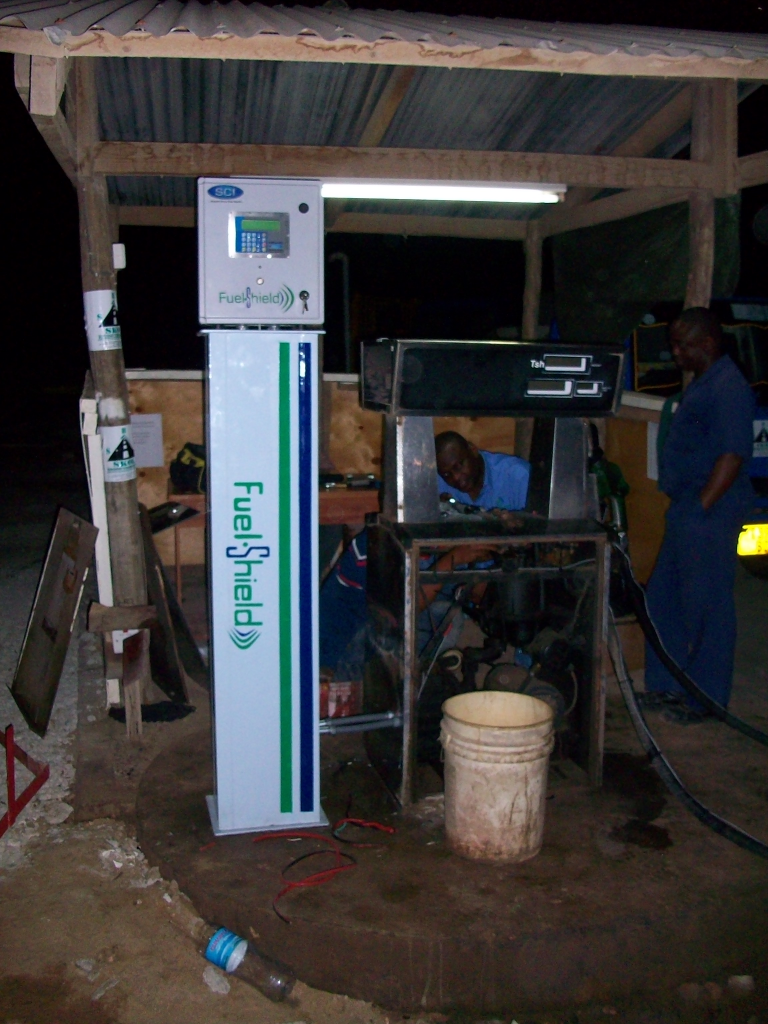

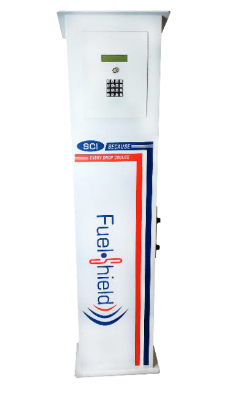
Fuel Shield is an independent secure, automated fuel dispensing system designed for fuel pump control system to manage private, retail, internal fuel stations and tankers on real time.
With Fuel Shield, fleet managers can effectively track fuel dispensing and fuel consumption. Based on locally available vehicle and driver identification data, this computerized system controls the refueling of vehicles via GPRS, GSM, Wi-Fi, RF or LAN communications.
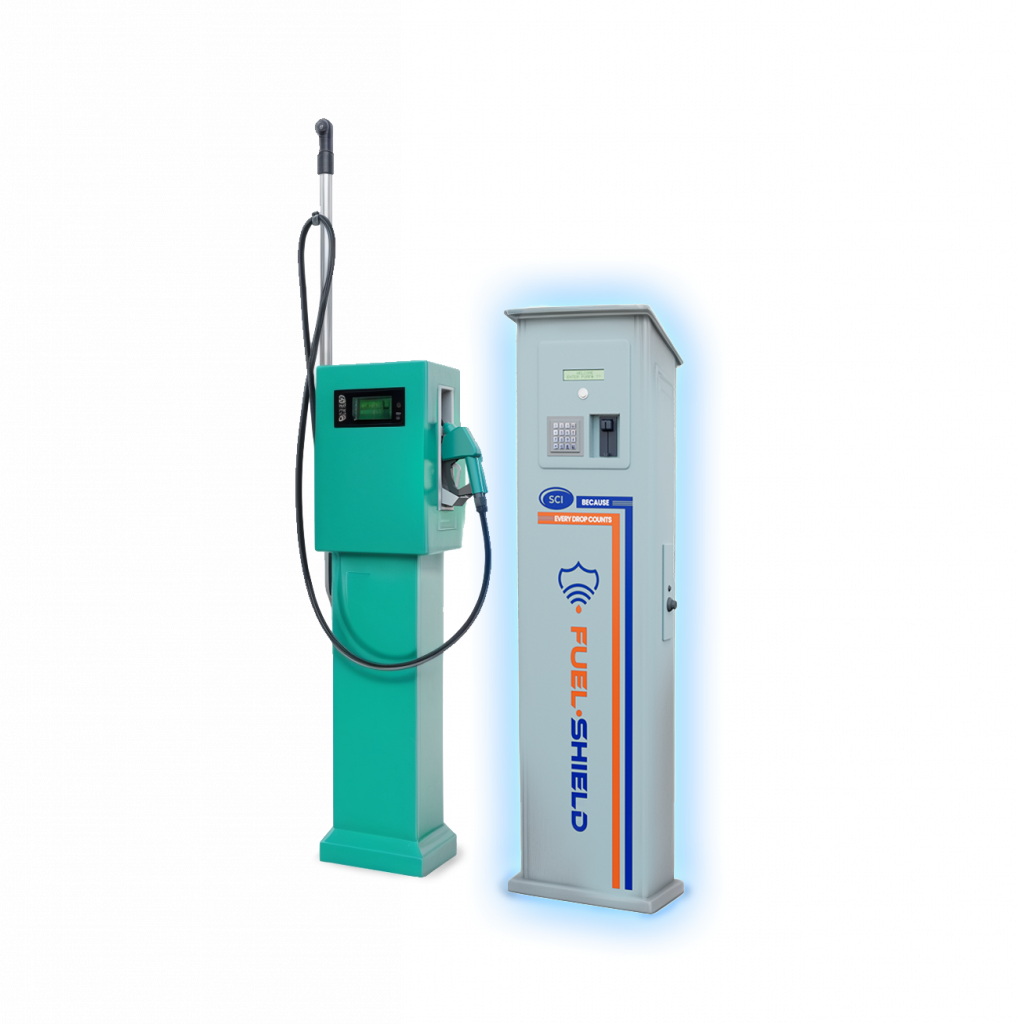
APPLICATION SOLUTION:
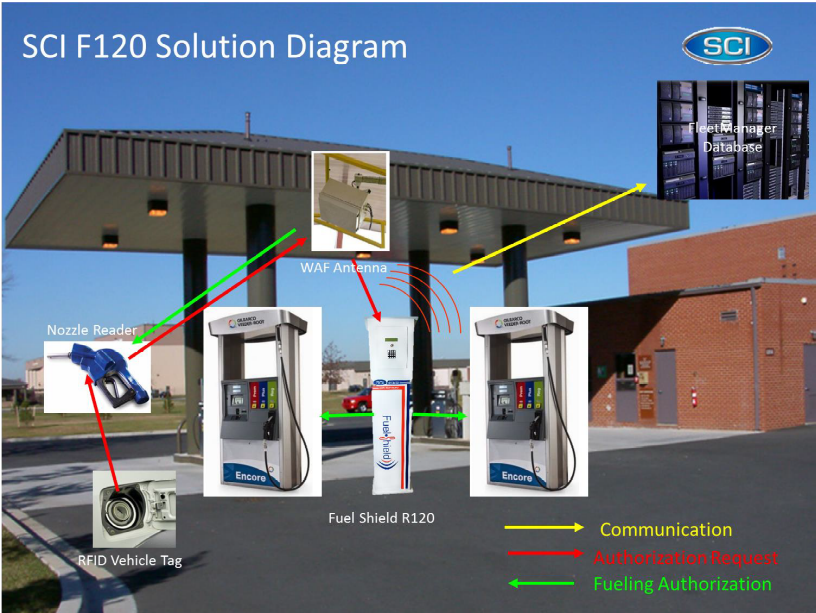
- The Fuel Shield WAF transceiver is connected to the FS Pump Controller, which controls the station’s pumps.
- When a nozzle is picked up from a pump, the FS Pump Controller queries the Fuel Shield WAF system and using the Nozzle Reader installed on the nozzle, tries to locate a RFID Tag which would be installed in a vehicle.
- If the vehicle is equipped with an authorized RFID Tag the Reader locates the RFID Tag and transmits back to the Fuel Shield WAF unit, while reporting the vehicles data.
- The Fuel Shield GAS STATION CONTROLLER application combines this reading and the vehicles data and transmits it to the FS Pump Controller.
- The FS Pump Controller then requests authorization from either an external online authorization center or an in-house list, designed to allow or deny the driver their requested transaction.
- Accounts may be limited in several ways, as needed. While the FS Pump Controller allows fuel to be pumped, the Fuel Shield GAS STATION CONTROLLER system constantly verifies that the same driver RFID Tag is still present throughout the process, eliminating the chance of fraud.
- This completely wireless process takes only seconds to execute.
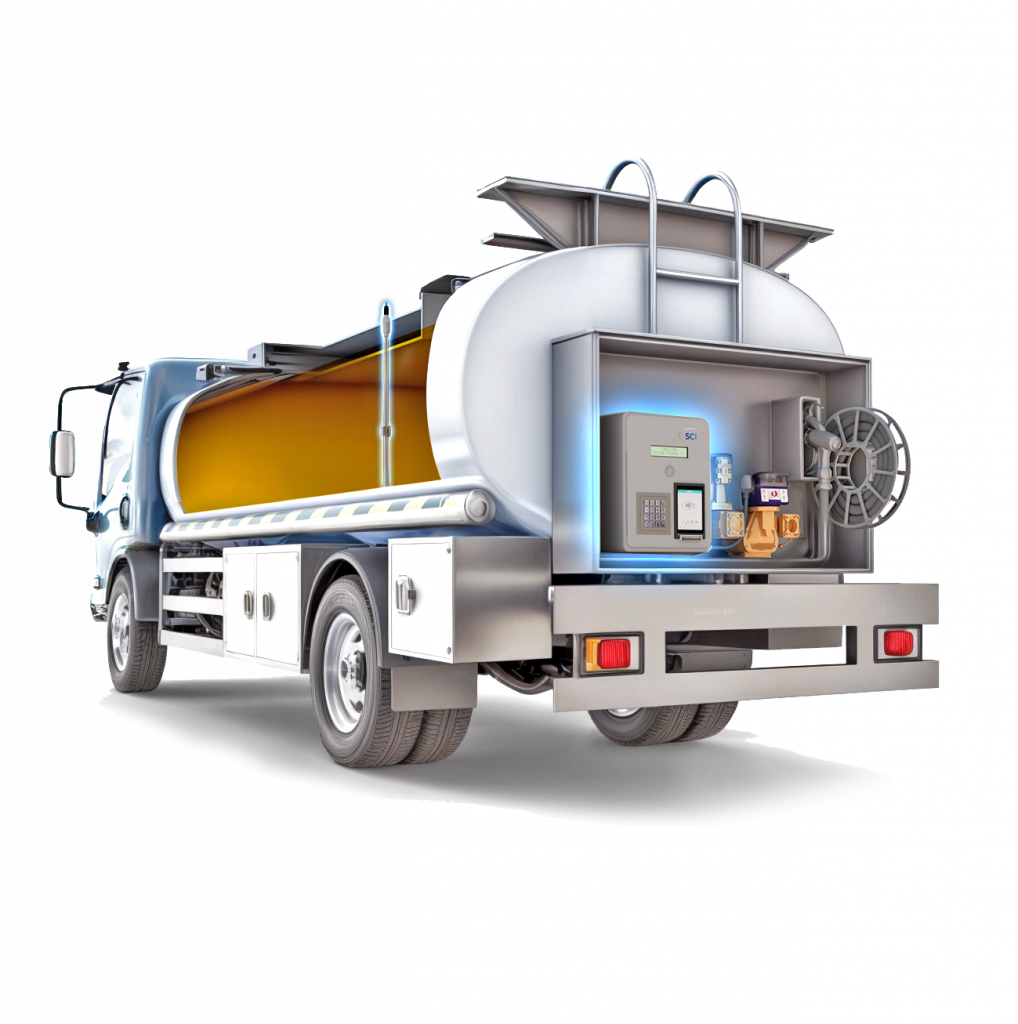
Mobile Tankers
On the go, our system ensures that every fueling operations dispense or transaction is authorized and recorded for accuracy and security at the point of use.
Fuel Station Management
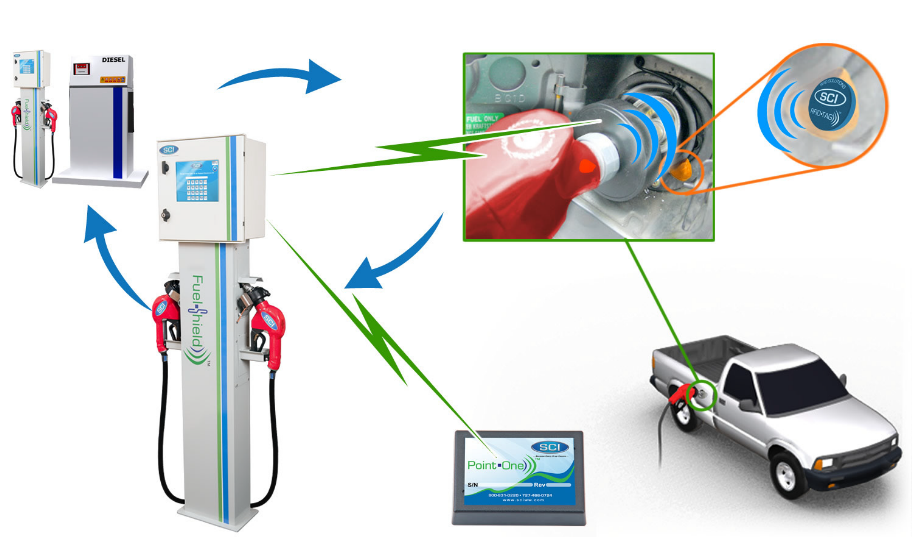
The user inserts the fueling nozzle into the vehicle’s fuel inlet, then the
vehicle’s data are transmitted to the system’s wireless receiver unit. A receiver sends the data to the station’s server (POS indicate the fueling), server authorizes and controls the fueling process online and in real time. Server can document the fueling by photos or video using the station’s CCTV infrastructure (license plate recognition is also optional).