Net-Soft Consult Company (T) Ltd

inner page banner
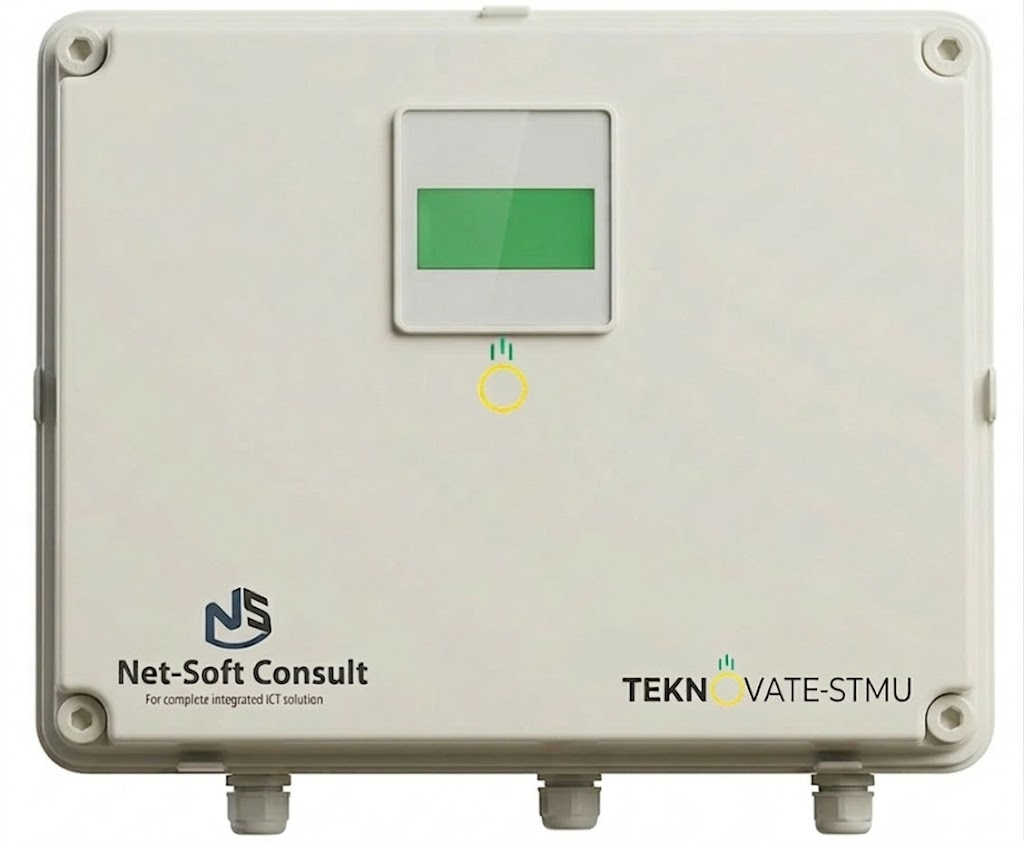
  • Smart Transformer Monitoring Unit (STMU) ensures 24×7 health monitoring of transformers with IoT-enabled sensors, real-time fault alerts, load analysis, and predictive maintenance—enhancing grid reliability, reducing downtime, and extending asset life.

Key Features:

  • End-to-End Visibility
  • IoT-Enabled Monitoring
  • Preventive Maintenance
  • Integrated Protection Features
  • Smart Analytics Dashboard
  • Rugged Design
  • Energy Efficient
  • Plug-and-Play Deployment
  • Multi-Level Access
  • Scalable and Future-Ready

One of the key components in enabling a Smart Grid system is monitoring of Distribution Transformers (DTs). This is also the first step in distribution automation.

Monitoring of distribution transformers improves the visibility into the low voltage (LV) network and provides insights that help the utility company to utilize the power network in an optimum way.

Transformer monitoring brings a lot of benefits for utility companies, including the capability to recognize when transformers are overloaded and take remedial measures.

In many cases, the life of a transformer is curtailed due to lack of information around the operation of the transformer. It improves the visibility into the low voltage power network and helps utility companies deliver high quality electricity to its customers.

This system provides real time information about voltage, power factor, current, harmonics and unbalance from the LV network; and based on this information, utility companies can initiate remedies to solve problems as they occur or in many cases carry out preventive measures that prevents outages.

Utilities can also use the reports generated by the system to make decisions on distribution network planning, capacity enhancement, etc by identifying critical points in the distribution network that require to be extended or upgraded.

CS-DTMU provides an end-to-end solution that comprises of monitoring, data acquisition, reporting and presentation. The CS-DTMU panels can report data to either the cloud-based web application or SCADA systems or both depending on the requirement of our end clients. We also provide a ‘device-to-database (DB)’ solution which essentially acquires data and provides it in a set of database tables for further processing by end-client applications.

Distribution Transformer Monitoring Unit CS-DTMU1000 IoT in

inner page banner

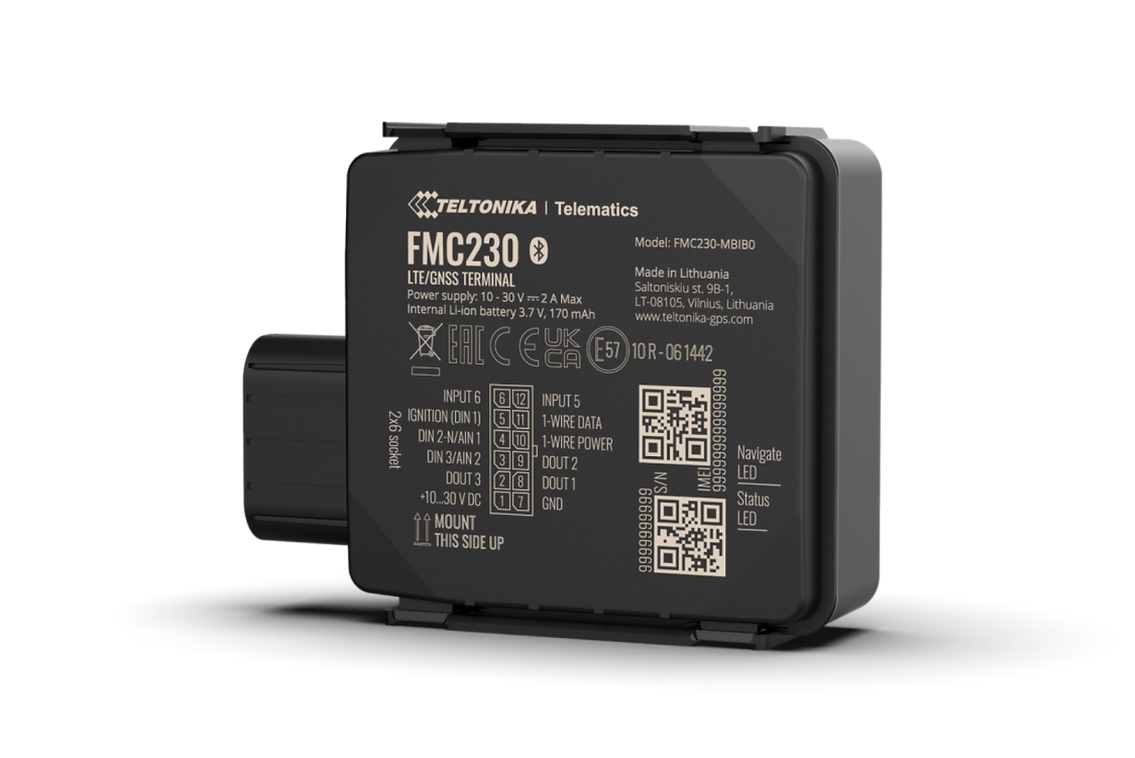
A powerful terminal with GPS/GLONASS and GSM connectivity, which is able to determine the object’s coordinates and transfer them via the GSM network. This device is perfectly suitable for applications, which need location acquirement of remote objects or remote control and monitoring of objects via input and outputs. In case of losing connection, its internal memory can store more than 16000 records, and once the connection is established the device will send stored data via GPRS.

Every time the vehicle is started or driven, the following data is logged instantly

  • GPS/ GPRS.
  • Who is driving.
  • Date and time.
  • Travel time.
  • The delivery/job/sales number.
  • Google Map Incorporated.
  • Distance travelled.
  • Over acceleration/deceleration and speeding and much more.
inner page banner


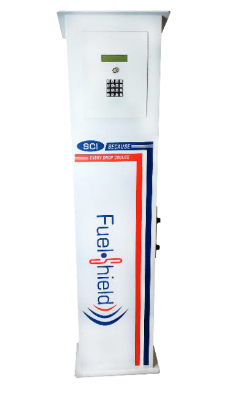
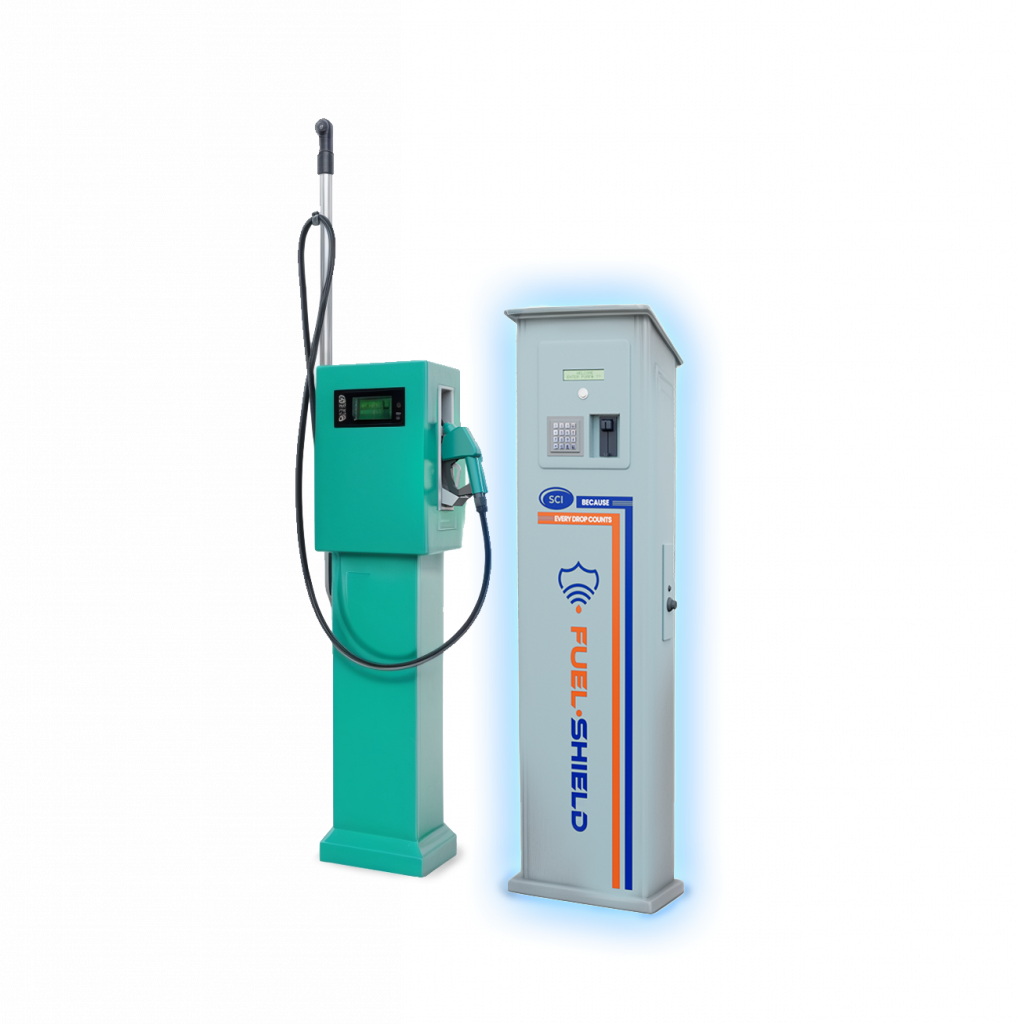
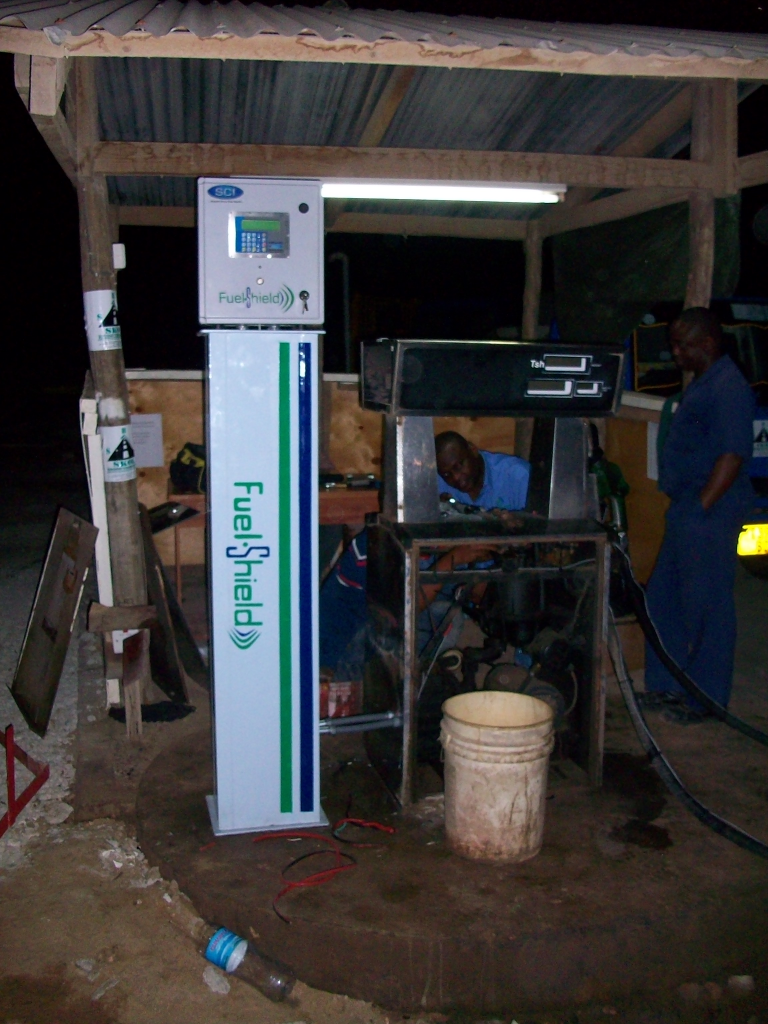
Fuel Shield is an independent secure, automated fuel dispensing system designed for fuel pump control system to manage private, retail, internal fuel stations and tankers on real time.
With Fuel Shield, fleet managers can effectively track fuel dispensing and fuel consumption. Based on locally available vehicle and driver identification data, this computerized system controls the refueling of vehicles via GPRS, GSM, Wi-Fi, RF or LAN communications.


APPLICATION SOLUTION:

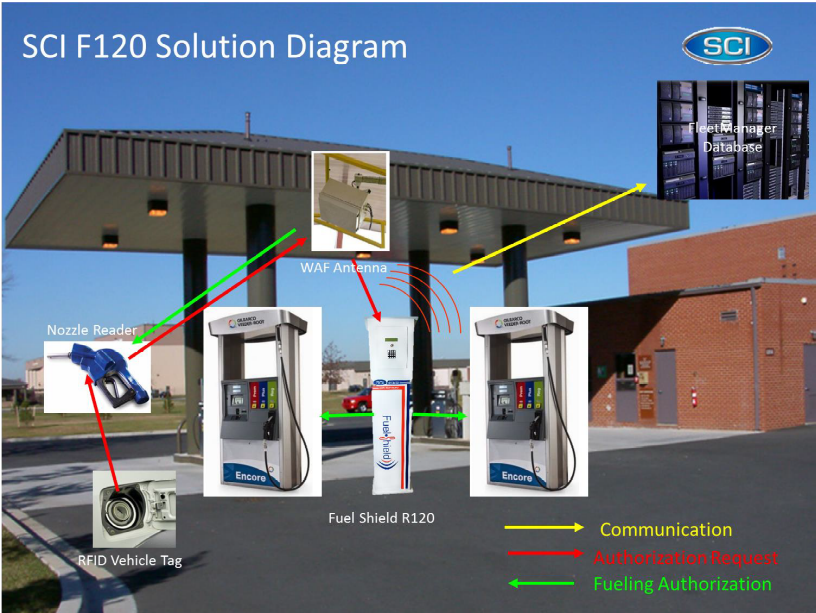
  • The Fuel Shield WAF transceiver is connected to the FS Pump Controller, which controls the station’s pumps.
  • When a nozzle is picked up from a pump, the FS Pump Controller queries the Fuel Shield WAF system and using the Nozzle Reader installed on the nozzle, tries to locate a RFID Tag which would be installed in a vehicle.
  • If the vehicle is equipped with an authorized RFID Tag the Reader locates the RFID Tag and transmits back to the Fuel Shield WAF unit, while reporting the vehicles data.
  • The Fuel Shield GAS STATION CONTROLLER application combines this reading and the vehicles data and transmits it to the FS Pump Controller.
  • The FS Pump Controller then requests authorization from either an external online authorization center or an in-house list, designed to allow or deny the driver their requested transaction.
  • Accounts may be limited in several ways, as needed. While the FS Pump Controller allows fuel to be pumped, the Fuel Shield GAS STATION CONTROLLER system constantly verifies that the same driver RFID Tag is still present throughout the process, eliminating the chance of fraud.
  • This completely wireless process takes only seconds to execute.


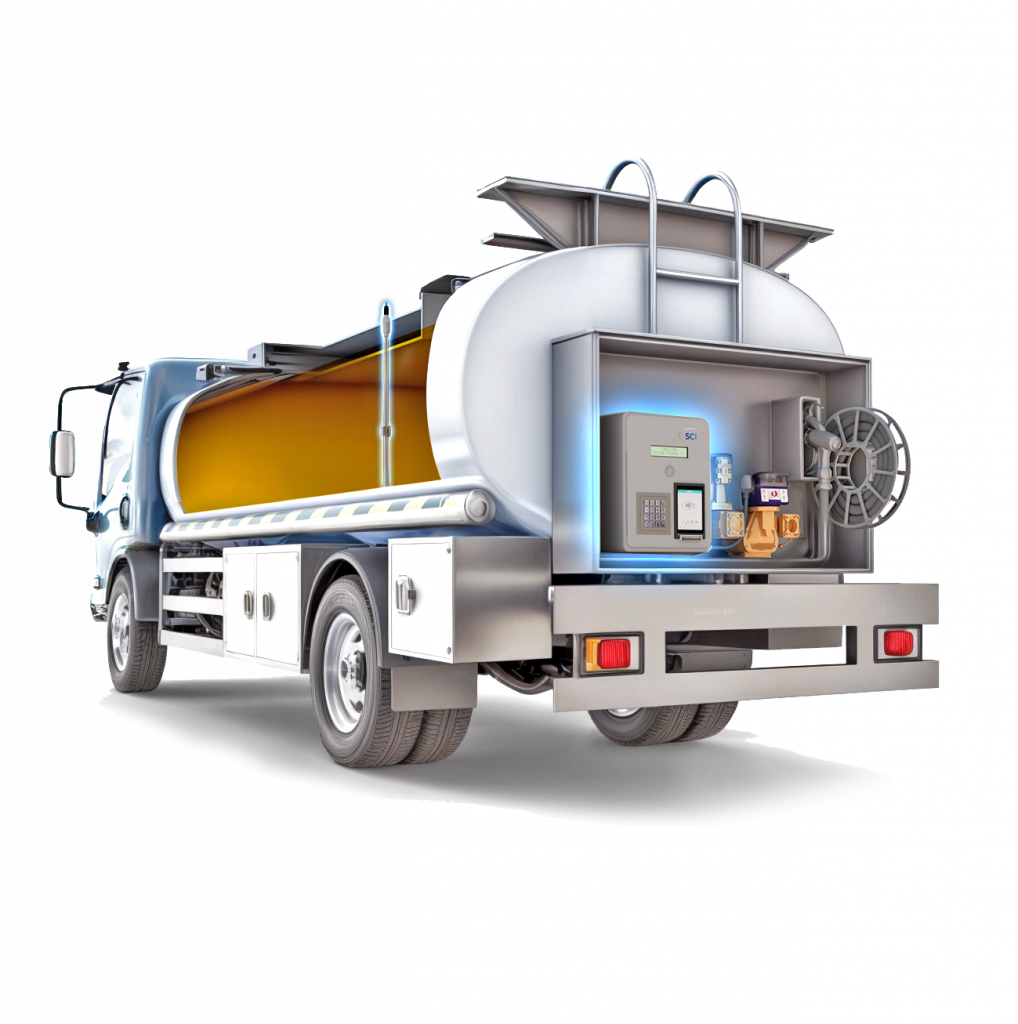
Mobile Tankers


On the go, our system ensures that every fueling operations dispense or transaction is authorized and recorded for accuracy and security at the point of use.


Fuel Station Management


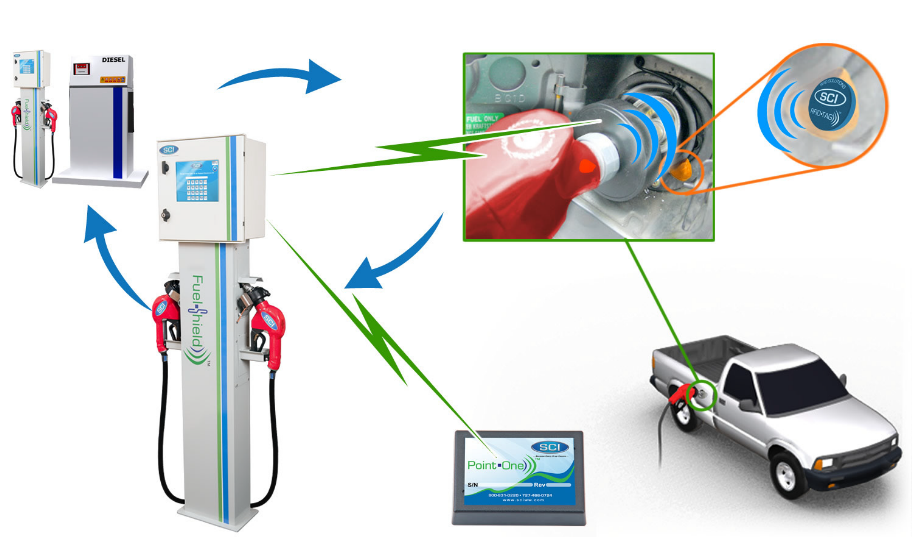
The user inserts the fueling nozzle into the vehicle’s fuel inlet, then the
vehicle’s data are transmitted to the system’s wireless receiver unit. A receiver sends the data to the station’s server (POS indicate the fueling), server authorizes and controls the fueling process online and in real time. Server can document the fueling by photos or video using the station’s CCTV infrastructure (license plate recognition is also optional).

inner page banner


Stainless steel Oval Gear Flow Meter
are widely used in the metering of liquid media with high corrosion, such as acid, alkali, salt and organic compound, and some other liquid, like: milk, alcohol, chemical and pharmaceutical drugs etc.

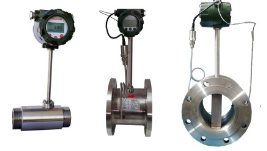
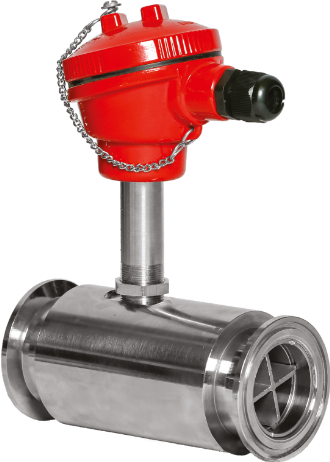
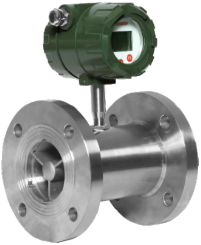
Turbine Flow Meter

  • S.S body and rotor: Flow measurements of pharmaceutical drug, food oil, and all application.

Turbine flow meter use the mechanical energy of flowing fluid, causing a rotor to rotate at an angular velocity proportional to the fluid flow rate or velocity within the flow path and pickup coils capture this angular velocity and generating an electrical signal which is directly proportional to flow rate.

inner page banner
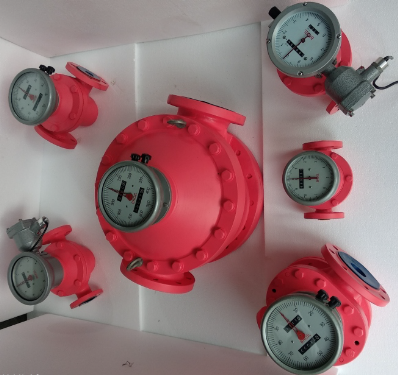
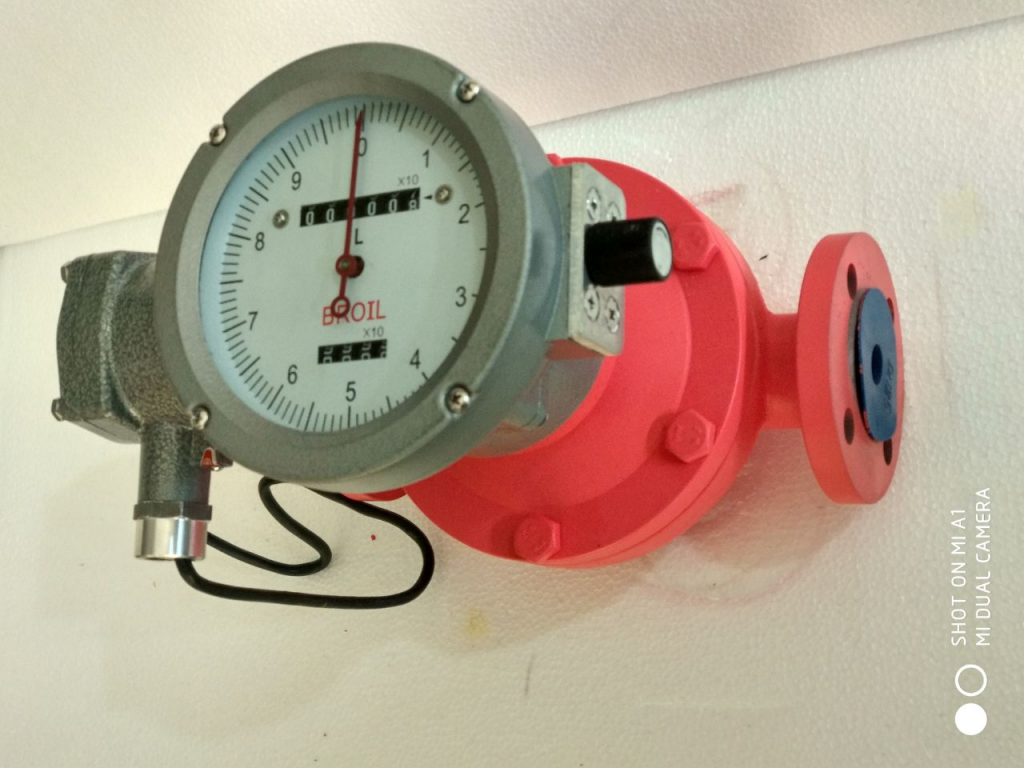
  • Cast iron Oval Gear Flow Meter is widely used in the metering of various oil products and liquid having no corrosion to the cast iron material.
  • Cast steel Oval Gear Flow Meter is used for high-pressure, low-corrosion liquid media.
  • Cast Aluminum Oval Gear Flow Meter is widely used in the metering of low viscosity low-corrosion (such as gasoline) liquid media and its rotor is made of Aluminum Alloy.
inner page banner
  • The advanced RFID system is easy to install and requires no excavation.
  • RF Technology eliminates the need for vulnerable underground cables and wiring, which reduces installation time by 80%.
  • RFID is the fleet and fuel management tool for the business that is serious about cutting costs, eliminating fraud, effectively managing fuel reports and consumption.
  • The system installation by your on-site technicians or our
inner page banner


Working Principle:

  1. The density is calculated based on the Archimedes physical phenomenon measuring the variation of the distance between the product float and density float.
  2. It can be mounted on the magnetostrictive probe version Plus that provides inventory management and leak detection capabilities, fuel density without the addition of extra components.
  3. The density float kit module is designed for the measurement of fuel densities.


Functions:

  • Density feature measures and reports the density of fuel in a tank using the same probe with a lower density float above the product float (floating on the surface of the product).
  • The liquid density is calculated in the surface layer through measuring of distance between float for fuel level and the density float.
  • Probes sends directly to the Sibylla Console all the data, including density.
inner page banner


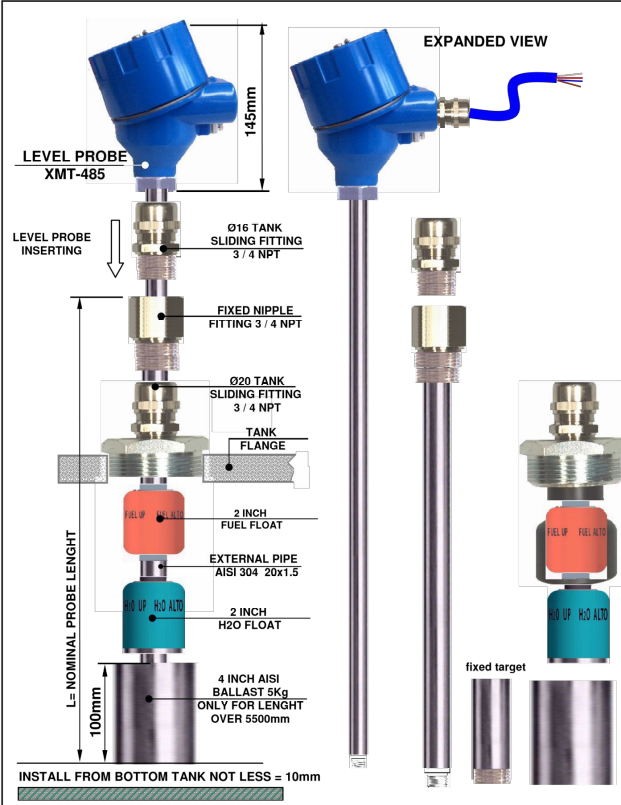
Flexible Fuel level Sensor (Magnetoretrictive Level sensor)

  • Level Sensor will enable you to eliminate costly emergency delivery; it will help to consolidate fuel On Hand and record, per location, per fuel type, the correct amount of fuel.
  • Level Sensor sends the Data to the software to records any change on the level in the tank.
  • Reports can be extracted at the end of the day, week or month.
  • The system will do consolidation on products received, product dispensed and product in the fuel tanks.
  • The Fuel Level Sensor can be installed in various equipment’s and locations such as Road vehicles, Buses, Heavy Equipment, Diesel, generators & Construction machines.
  • Our high-precision capacitive fuel-level sensors are exceptionally robust, extremely precise (99.5% accuracy), totally reliable (highest possible ingress protection rating of IP69k) and super-safe. They deliver consistently high accuracy in even the harshest conditions.
  • Liquid Level Sensor digital data transmission protocol has become the de facto industry standard in capacitive fuel-level sensors globally.
  • The sensors work both with tracking equipment and are compatible with the most popular vehicle trackers and tracking platforms.
  • Liquid level sensors include the adaptable explosion-proof LLS-Ex 5, digital LLS 4 and LLS-AF 4 with analogue and frequency-modulated output.


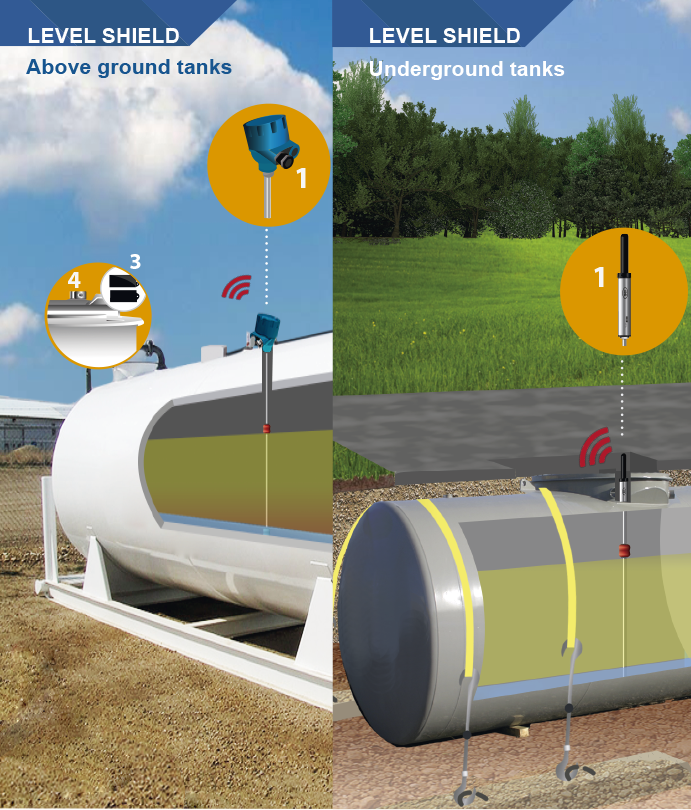
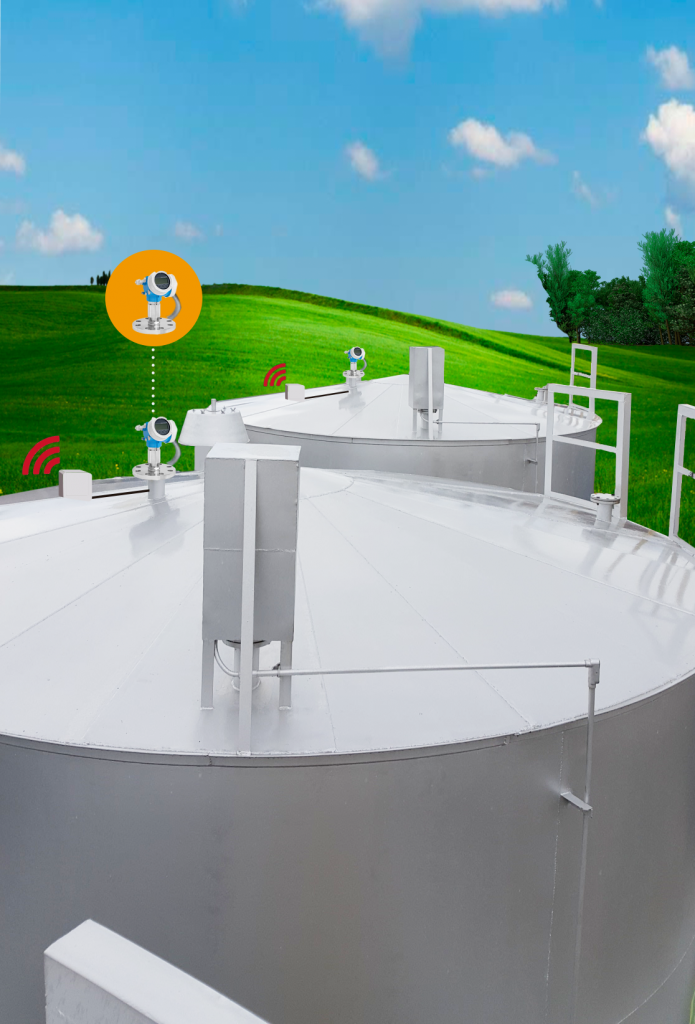
A liquid storage tank located anywhere in the world where WIFI or GPRS coverage is available may be equipped with a Level Shield.
A typical application for the Level Shield is to support a Vendor Managed Inventory (VMI) program. The supplier (vendor) of the liquid stored inside the tank may obtain a level reading before scheduling a delivery. The VMI technique allows the vendor to reduce the number of trips to the tank and in return save time and money.


Benefits:

  • Continuous monitoring of the fuel levels.
  • Keep fuel level information online.
  • Deliver information with the highest precision with temperature compensation.
  • Promotes reconciliation between fuel delivered and bill of lading
  • Simple installation and maintenance.


Features:

  • Based on Magnetostrictive level measurement technology.
  • Ensures accuracy of +/- 0.5 inch.
  • Remote diagnostics and support.
  • Easy installation.
  • Collects fuel, water and temperature levels.
  • Ability to integrate with existing level monitoring sensors.